Historical Context
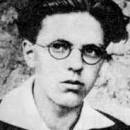
Political, social and cultural background during the life of Kosovel Srecko.
Srečko Kosovel was born in 1904 in the Slovenian Karst, then part of the Austro-Hungarian Empire. His childhood coincided with the final years of the empire and with the First World War, whose Isonzo Front ran close to the region where he lived.
The collapse of Austria-Hungary in 1918 dramatically changed the political map of Central Europe. The Slovenian Littoral and the Karst region were placed under Italian rule, separating Kosovel from the new Kingdom of Serbs, Croats and Slovenes and exposing the Slovenian population of the region to increasing pressure for Italianization.
During the 1920s, Italian Fascism intensified its efforts to suppress Slovenian cultural and political life in the territories under Italian control. Slovenian schools and associations faced restrictions, and the use of the Slovenian language in public life came under growing pressure. These developments had a profound effect on Kosovel's sense of cultural identity and social responsibility.
At the same time, Europe was experiencing a profound artistic crisis after the destruction of the First World War. Expressionism, Futurism, Dada and Constructivism challenged traditional forms of art and literature. Kosovel followed these European movements closely while developing his own highly individual form of poetic experimentation.
His writing emerged from this combination of political displacement, postwar instability and artistic revolution. His recurring themes of social injustice, the collapse of European civilization, human dignity and the hope for a new world reflect the turbulent historical environment in which he lived.
The collapse of Austria-Hungary in 1918 dramatically changed the political map of Central Europe. The Slovenian Littoral and the Karst region were placed under Italian rule, separating Kosovel from the new Kingdom of Serbs, Croats and Slovenes and exposing the Slovenian population of the region to increasing pressure for Italianization.
During the 1920s, Italian Fascism intensified its efforts to suppress Slovenian cultural and political life in the territories under Italian control. Slovenian schools and associations faced restrictions, and the use of the Slovenian language in public life came under growing pressure. These developments had a profound effect on Kosovel's sense of cultural identity and social responsibility.
At the same time, Europe was experiencing a profound artistic crisis after the destruction of the First World War. Expressionism, Futurism, Dada and Constructivism challenged traditional forms of art and literature. Kosovel followed these European movements closely while developing his own highly individual form of poetic experimentation.
His writing emerged from this combination of political displacement, postwar instability and artistic revolution. His recurring themes of social injustice, the collapse of European civilization, human dignity and the hope for a new world reflect the turbulent historical environment in which he lived.
Born
1904
Category
Poetry
Country
SLOVENIA