Historical Context
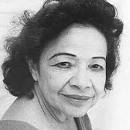
Political, social and cultural background during the life of Suarez Clementina.
Clementina Suárez was born in Honduras in 1902, at a time when political instability, economic inequality and conservative social structures strongly shaped everyday life. Opportunities for women in education, professional life and public culture were limited, and literature remained largely dominated by male voices.
During the first decades of the twentieth century, Latin American literature was undergoing profound change. Modernismo had transformed poetic language, while newer avant-garde movements challenged traditional forms and introduced freer approaches to imagery, rhythm and subject matter. Suárez developed her voice within this changing literary environment.
Her emergence as a published poet in 1930 was therefore significant not only artistically but socially. By writing openly about love, desire, the female body and personal independence, she confronted conventions that prescribed a much narrower public role for women.
The political environment of Central America was also marked by authoritarian governments, social conflict and exile. Suárez travelled through several countries and spent periods abroad, including time in Mexico, where artistic and intellectual circles exposed her to wider Latin American cultural movements.
Mexico during the 1930s and 1940s was an especially important center of artistic experimentation, shaped by muralism, revolutionary cultural politics and an influx of writers, artists and political exiles. Suárez participated in this environment and created the Galería de Arte Centroamericano, helping to promote artists from the region.
Throughout her life, poetry and cultural activism remained closely connected. Her work reflects the changing position of women in twentieth-century Latin America, the emergence of modern artistic movements and the broader struggles for social and individual freedom that shaped Central American cultural life.
During the first decades of the twentieth century, Latin American literature was undergoing profound change. Modernismo had transformed poetic language, while newer avant-garde movements challenged traditional forms and introduced freer approaches to imagery, rhythm and subject matter. Suárez developed her voice within this changing literary environment.
Her emergence as a published poet in 1930 was therefore significant not only artistically but socially. By writing openly about love, desire, the female body and personal independence, she confronted conventions that prescribed a much narrower public role for women.
The political environment of Central America was also marked by authoritarian governments, social conflict and exile. Suárez travelled through several countries and spent periods abroad, including time in Mexico, where artistic and intellectual circles exposed her to wider Latin American cultural movements.
Mexico during the 1930s and 1940s was an especially important center of artistic experimentation, shaped by muralism, revolutionary cultural politics and an influx of writers, artists and political exiles. Suárez participated in this environment and created the Galería de Arte Centroamericano, helping to promote artists from the region.
Throughout her life, poetry and cultural activism remained closely connected. Her work reflects the changing position of women in twentieth-century Latin America, the emergence of modern artistic movements and the broader struggles for social and individual freedom that shaped Central American cultural life.
Born
1902
Category
Poetry
Country
HONDURAS