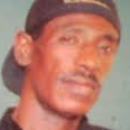
Biography
Yemane Barya, born Yemane Ghebremichael (21 January 1949 – 5 November 1997), was an Eritrean singer, songwriter and composer and one of the best-known voices in modern Eritrean music.
He was born and raised in Asmara. His interest in poetry, music and performance developed while he was still at school. Although he was considered a strong student, he eventually left his studies to pursue music, despite the objections of his family.
One of his earliest songs, "Lula", brought him into conflict with the authorities. Presented as the story of a man whose beloved had been taken from him, the song was interpreted politically and Yemane was imprisoned. This use of love and separation as metaphors for wider social and political experience became characteristic of much Eritrean popular music of the period.
In 1975, Yemane joined the Eritrean Liberation Front (ELF). He later lived in Sudan and Saudi Arabia, where he continued composing and performing. His songs addressed exile, migration, separation, love, hope and the long Eritrean struggle for independence.
After Eritrea became independent in 1993, Yemane returned to Asmara and continued recording and performing. His later music reflected both the memory of the years of conflict and the expectations associated with a newly independent country.
His songwriting was closely connected to ordinary experience. He often drew inspiration from conversations with people and sought to write lyrics that could be immediately understood by a broad audience. This directness, together with his distinctive voice and melancholic melodies, helped make his songs widely recognizable among Eritrean listeners.
Yemane was also remembered for his generosity and involvement in charitable activities. During his years abroad he assisted Eritrean refugees, and after returning home he participated in performances intended to raise support for people in need.
He died suddenly in Asmara on 5 November 1997, at the age of forty-eight. His recordings continued to circulate widely after his death, and his songs remain an important part of Eritrean musical memory.


