After their liberation, hey were reorganized and strengthened, expanded into Syria and the Middle East, imposed taxes of subordination in various kingdoms, recovered Nubia in their southern lands. Princess Hatsespout gained the Egyptian throne by pretending to be a man and demonstrated excellent leadership skills, strengthens Egypt even more, and concludes profitable trade agreements.
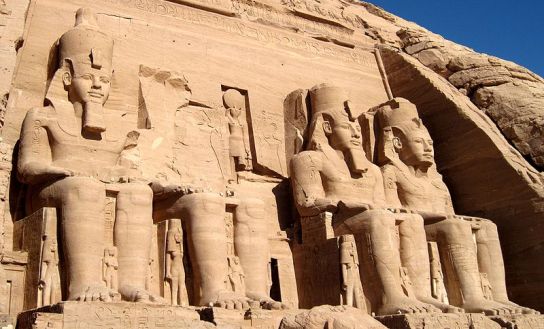
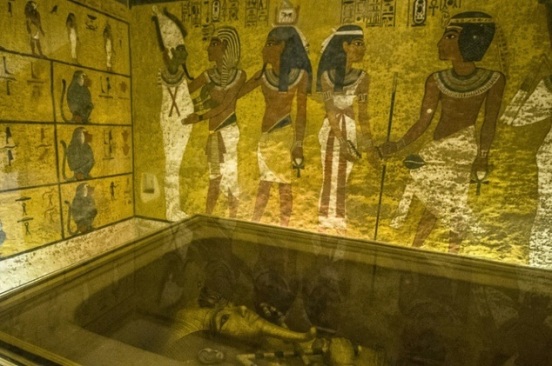
The period from -1500 to -1070 is called a new kingdom for ancient Egypt, the pharaohs remain powerful and the country had great power and wealth. The arts were evolving and great works were made, such as the painted tombs of the Kings Valley; many changes in religious life took place, to the point that periodically other Gods lose their power and others become stronger and prevail, which is interpreted as a competition between social groups who want to exacerbate their sovereignty through their own Gods.
After the last great pharaoh, Ramses III in 1070 BC, Egypt was divided into many small kingdoms and began a period of steady decline with the country being conquered by the Kusites in -720 by the Assyrians in -656 by the Persians in -525 by the Greeks of Alexander the Great in -332 and final the Romans in 30 BC. Back to the Story of Humankind