The Aryan society was strictly patriarchal and polygamous (for men), boys were more desirable, for women there were moral rules, but they also had some rights. The king's power was omnipotent, but not absolute, as they were limited by the high priest, sometimes they were advised and eminent citizens in assemblies with a dimly democratic character.
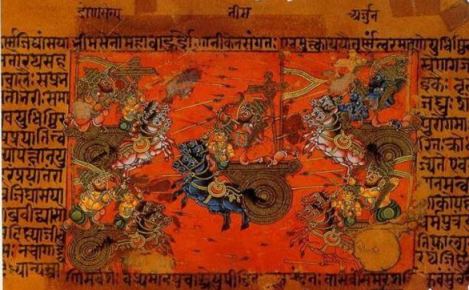
In the 10th century the Mahabarata was composed, the largest known 100,000-versus poem, to celebrate a major war. At the same time, the importance of religion is growing, as a valuable assistant to agriculture; the rituals were necessary for the success of the crops and were becoming more complex, the existence of intermediaries between Gods and the people had become necessary. The Brahmins took over the job, enjoying the strength and wealth. They took up the education of young people and managed to give their caste the prestige that assured them in the first place in Indian society. The four castes that were finally created symbolized the parts of the body: Mouth: Priests and Brahmins, Branch: Rulers and Warriors, Feet: Farmers and Traders, Feet: Hand-made workers, slaves and natives. The latter did not own property and according to their testimonies they deserved to be snatched and killed at will. Caste involvement was hereditary and permanent. The priests take care that the people remain firm and obedient to their caste. They also tend to reduce the woman's position. In the first Vedic period women could choose their husband, educate themselves, take part in discussions, during the second Vedic period, after -1000, all these are considered to be slanderous sins, the isolation of the woman and the practice of sati (burning the widow in the fire of her dead husband) became custom.

From the 8th century, hermetic thinkers will appear as a reaction to the omnipotence of the priests. According to them knowledge and unity is conquered by insight and simplicity, not by greed. They introduced the principle of transfiguration and would constitute the preamble of Buddhism. Back to the Story of Humankind