Historical Context
India Under British Rule (1879–1947)
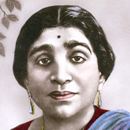
Sarojini Naidu's life unfolded during one of the most transformative periods in Indian history. When she was born in 1879, much of the Indian subcontinent was under British colonial administration, following the transfer of power from the East India Company to the British Crown in 1858. Hyderabad, however, was a princely state governed by the Nizam under British paramountcy. Its distinctive political and cultural environment exposed Naidu to a rich mixture of Indian traditions, languages and influences.
A Changing Society and the Rise of Nationalism
During her childhood and youth, Indian society was experiencing important changes in education, social reform and political consciousness. Reformers and intellectuals were challenging established customs, campaigning for women's education and questioning social inequalities. The founding of the Indian National Congress in 1885 provided a political platform for growing demands for Indian representation and self-government.
In 1905, the British partition of Bengal intensified nationalist feeling and provoked widespread opposition. The Swadeshi Movement encouraged Indians to boycott British goods and support indigenous industries and cultural expression. This period coincided with Naidu's emergence as a poet and public speaker. Her literary success and growing political engagement reflected the desire of a new generation of Indians to reclaim their cultural identity and participate in shaping their country's future.
Gandhi and the Mass Independence Movement
The First World War (1914–1918) transformed the political relationship between Britain and India. Indian soldiers and resources contributed significantly to the British war effort, while expectations of political reform grew. The limited constitutional changes that followed failed to satisfy nationalist demands. The repressive Rowlatt Acts of 1919 and the massacre at Jallianwala Bagh in Amritsar that same year intensified opposition to British rule.
Under Mahatma Gandhi, the independence struggle increasingly adopted the principles of non-violent resistance and civil disobedience. The Non-Cooperation Movement of 1920–1922, the Salt Satyagraha of 1930 and the subsequent Civil Disobedience Movement brought millions of Indians into political action. Women gradually assumed more visible roles in demonstrations, campaigns and political organizations. Naidu became one of the most prominent female leaders of this transformation.
War, Independence and Partition (1939–1949)
The Second World War (1939–1945) once again placed India at the centre of Britain's imperial war effort, without initially granting Indians control over the decision to participate. The Quit India Movement of 1942 demanded an immediate end to British rule and was met with mass arrests and severe repression. Naidu was among the political leaders imprisoned during this period.
After the war, Britain's weakened position and the growing strength of the Indian independence movement accelerated decolonisation. India gained independence on August 15, 1947. However, freedom came with the traumatic Partition of British India into India and Pakistan, accompanied by mass displacement, communal violence and enormous human suffering.
Naidu, appointed Governor of the United Provinces in the newly independent country, witnessed the beginning of a new political era before her death in 1949. Her lifetime therefore spanned the transformation of India from a society under colonial domination to an independent nation. The political upheavals, social reforms and cultural revival of these decades shaped both her poetry and her commitment to public service.