During the evolution of the human genus, many different human species and populations appeared. Homo habilis, Homo erectus, Neanderthals, and other human relatives lived in different eras and regions of the Earth. Today, however, only one human species remains: Homo sapiens.
In nature, most animals have several related species. There are different kinds of bears, felines, foxes, and apes. Why then did only one human species survive? This question continues to occupy scientists today.
The disappearance of the other human species was probably not caused by a single factor, but by a combination of causes: climate change, competition for food and resources, small populations, diseases, and gradual absorption through interbreeding with Homo sapiens. We now know that modern humans interbred with Neanderthals and that many people today still carry a small percentage of Neanderthal DNA.
Homo sapiens appears to have evolved in Africa around 300,000 years ago. According to the “Out of Africa” theory, groups of sapiens began migrating out of Africa approximately 70,000–50,000 years ago. It was the second great migration of a human species out of Africa after Homo erectus, but this time humans would spread across almost the entire planet.
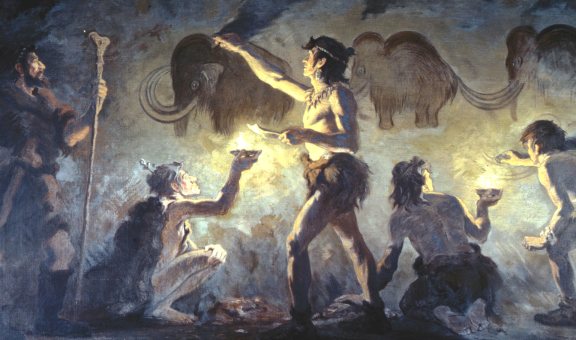
As Homo sapiens expanded, they encountered other human species, especially the Neanderthals in Europe and Western Asia. Neanderthals were shorter, more muscular, and better adapted to the cold climates of Ice Age Europe. They used tools, controlled fire, and probably possessed forms of symbolic thought. Nevertheless, around 40,000 years ago they disappeared. Many scientists believe that Homo sapiens prevailed not necessarily because they were physically stronger or more intelligent, but because they developed larger social networks, more complex language, and better cooperation among large groups of people. Their ability to exchange knowledge, adapt quickly, and organize collectively may have been their greatest advantage.
The first modern humans of Europe are also known as Cro-Magnons, named after the Cro-Magnon region of France where their fossils were discovered. They were skilled hunters with advanced tools, made clothing, practiced art, and created remarkable cave paintings. They managed to survive harsh Ice Age conditions and gradually spread to every continent, even reaching the Americas through the frozen lands of Beringia.
The story of Homo sapiens is the story of a species that managed to adapt, cooperate, and eventually establish itself in almost every corner of the Earth. Back to the Story of Humankind