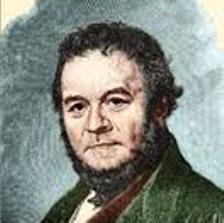
Biography
Marguerite Yourcenar—born Marguerite Antoinette Jeanne Marie Ghislaine Cleenewerck de Crayencour, and adopting the pen name Yourcenar at the age of sixteen when she published her first poems—was a French novelist and poet, one of the most important literary figures of the twentieth century and the first woman elected to the French Academy. She was born in Brussels on June 8, 1903. Her mother died ten days after giving birth, and Marguerite was raised by her grandmother with the help of governesses and private tutors. Her father was often absent, traveling around the world, but he ensured that his daughter received the best education available, as was customary among aristocratic families. Particular emphasis was placed on languages, both modern and classical, and Marguerite became fluent in Latin and Ancient Greek. As she grew older, she began accompanying her father on his travels. In 1929, she published her first novel, *Alexis*, whose protagonist is a young man who, despite being married, cannot suppress his homosexual desires. Yourcenar herself never concealed her own homosexuality. The same year, her father died, and she continued her travels alone, visiting cities such as Paris, Lausanne, Constantinople, Athens, and the Greek islands.Yourcenar developed a special bond with Greece. Until 1939, she visited the country many times, translated poems by Cavafy, edited an anthology of Greek poetry, and maintained friendships with several Greek writers, including Andreas Embirikos, to whom she dedicated her book *Oriental Tales*. In 1937, she began a lifelong relationship with the translator Grace Frick, who brought her to New York, where Yourcenar taught comparative literature. In 1939, the two women settled on Mount Desert Island, Maine, where they bought a wooden house and lived together until Frick's death in 1979. Yourcenar spent her life traveling and writing. In 1951, she published the work that brought her international fame, *Memoirs of Hadrian*, a book she had been developing since her youth and which remains one of the greatest literary recreations of the ancient world, particularly Roman civilization. Another major work is *The Abyss* (1968), a historical and philosophical novel widely regarded as one of her masterpieces. Marguerite Yourcenar received numerous literary awards and honorary degrees from colleges and universities around the world, including Harvard University. In 1980, the French Academy broke a tradition that had lasted 345 years by electing her as the first woman among its forty "Immortals." She continued traveling almost until the end of her life. Marguerite Yourcenar died on December 17, 1987, following a stroke.