Biography
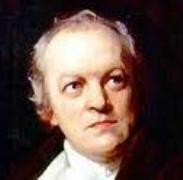
Alfred Tennyson (6 August 1809 – 6 October 1892) was one of the most important English poets of the Victorian era. The son of a clergyman, he showed an interest in poetry from an early age. In 1827, he published *Poems by Two Brothers*, a collection containing poems by himself and his brother, and soon afterwards began his studies at Trinity College, Cambridge.
After graduation, he published two collections of poetry that received harsh reviews. For several years his work failed to gain recognition, and he lived with considerable financial difficulties. In 1850, he married the woman he loved. In the same year, however, he was still deeply affected by the death of his close friend Arthur Hallam, the fiancé of his sister, whose loss inspired him to write a series of poems in his memory. When these poems were published, they brought him great success, and he was appointed Poet Laureate by Queen Victoria.
From that point onward, Tennyson’s reputation steadily grew. In 1884, he was granted the title of Baron Tennyson and became a member of the House of Lords. In his youth, he was influenced by the Romantic poetry of Byron and Keats. Later, moving beyond Romanticism, he wrote about the everyday life of the Victorian age, the conflict between faith and doubt, and the philosophical and scientific questions of his time. He also wrote several plays, some of which achieved considerable success.