Biography
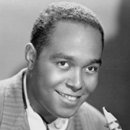
Charlie Parker Jr. (1920 - March 12, 1955, known as Bird) was an African-American jazz composer and saxophonist, with a major influence on the evolution of jazz music and the creation of bebop, a form of jazz characterized by fast tempos and advanced harmoniesHe was born on August 29, 1920, in Kansas City, which at that time was an important center of African-American music. His father occasionally worked as a waiter in hotels and trains, Charlie began learning the saxophone at the age of 11 and was a member of the school orchestra before leaving school in 1935. In a short time, he became a skilled saxophonist and a professional musician.
Around 1940, he became a member of Jay Maxan Orchestra, with whom he toured for the first time in nightclubs in the southwestern states. He moved to New York, which was the dominant center of jazz music and participated in concerts and appearances in music centers. In 1942 he became a member of the Earl Hines Orchestra, where he remained for eight months. During this time, he collaborated with Dizzy Gillespie and began shaping the style of Bebop, a new genre that was not initially accepted.
Having gained a greater reputation, in 1945, he conducted his own orchestra, collaborating with Dizzy Gillespie on other ensembles. Together they made a series of appearances in Hollywood, lasting a total of six weeks. Parker continued to appear in downtown Los Angeles but was addicted to alcohol and drugs and on June 29, 1946, collapsed and had to be hospitalized for detoxification. He stayed in the hospital for 6 months and returned to music, first in Los Angeles and later in New York. The period after 1948 was very productive, as together with Miles Davis, Duke Jordan, Tommy Potter and Max Roots, he formed a quintet, with which he recorded several of his most popular compositions. He also toured Europe (1949 and 1950) with considerable success.
He returned to America, but his health and financial situation were constantly burdened by drug abuse, he attempted suicide twice (1954), and was eventually admitted to Bellevue Psychiatric Hospital in New York. His last public appearance was on March 5, 1955, at the Birdland Center named after him. He died seven days later, at the age of 34, in Manhattan, of pneumonia.