Biography
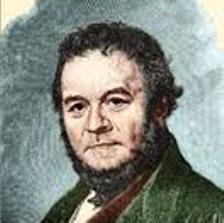
Nizami Ganazavi, {1141-1209) was a 12th-century Azerbaijani poet who influenced Persian poetry by introducing the language of the people and the problems of everyday life. Born in the city of Ganja in present-day Azerbaijan, at that time under the Seljuk Empire, he spent his entire life in the South Caucasus. Nizami was orphaned early and raised by his mother, who was of Kurdish descent, with his wealthy uncle provding foe him an excellent education for the time.Ganza, where Nizani lived, had been conquered by the Seljuks in 1075, who had spread Persian literature; in the mid-12th century, the control of the Seljuk empire in the region had been weakened and provincial rulers ruled as autonomous local princes, further encouraging Persian culture, art, and poetry in their courtyards. Although Nizani enjoyed the protection of various rulers and princes, to whom he dedicated his works, he avoided the courtyards and is generally believed to have lived an isolated life. Since he was not a court poet, he does not appear in the chronicles of dynasties, so there is not much information about his life.
We know he got married three times. His first wife was a slave sent to him as a gift by the ruler of Darband, whom he freed and made his legal wife. It seems that she became his "most beloved" wife, but she died at a young age. With her he had a son, his only child. Nizami's other two women died prematurely - each of them coinciding with the completion of an epic, prompting the poet to exclaim: "My God, why should I sacrifice a woman for every work I do!"
Kindness, love, appreciation of knowledge, respect for women are dominant themes of his poetry and philosophy; his works have been translated in Western and Eastern languages affecting many generations of people. Among his most famous works are the philosophical "Warehouse of Mysteries" and the erotic epic "Leila and Metzoun"
He probably died in 1209.