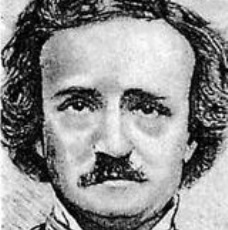
Biography
Martin Heidegger was one of the most influential and controversial philosophers of the twentieth century, best known for transforming modern existentialism and phenomenology through his exploration of human existence, being, technology, and consciousness.
He was born on September 26, 1889, in Messkirch, Baden, Germany. Initially, Heidegger studied theology with the intention of becoming a priest, but after encountering the work of Edmund Husserl, he turned toward philosophy. He went on to study philosophy, history, and natural sciences at the University of Freiburg. In 1923, he became professor of philosophy at the University of Marburg, and in 1928 he succeeded Husserl as chair of philosophy at the University of Freiburg.
Heidegger joined the Nazi Party after Adolf Hitler came to power and later served as rector of the University of Freiburg as well as an advisor on educational matters. The extent and nature of his involvement with Nazism remain heavily debated. Many critics accused him of antisemitism and ideological sympathy with the regime, while others argued that his philosophical work should be examined separately from his political choices.
After the end of World War II, Heidegger was banned from teaching until 1951. He later resumed his academic career and spent much of his remaining life traveling, delivering lectures, and writing influential philosophical works that continued to shape modern thought long after his death on May 26, 1976.