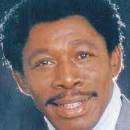
Biography
Ronnie Butler (August 17, 1937 – November 19, 2017) was a famous Bahamian singer who influenced music in the Bahamas as no other during his time.
He started playing maracas at the age of sixteen and with two neighbors he formed his first band, with which they started playing in hotels entertaining tourists with local music. During the day he worked as a construction worker to make ends meet. He soon stood out with his talent and in 1962 he formed the group "Ronnie & The Ramblers". Their first job was at the club "The Big Bamboo" and then they appeared at "the British Colonial" and the "Nassau Beach Hotel". Locals and tourists flocked to the club to be entertained, Ronnie emerged as one of the best and most sought after entertainers. In 1968 he spent a year in Washington, D.C., playing in clubs. Ronnie lived through the assassination of Martin Luther King and the riots that followed. Returning to his country, he entered his most creative period recording some of his biggest hits, such as the classics “Burma Road,” “Bahama Rock” and “Crow Calypso.” Butler brought a new sound, a combination of Latin and goombay. Another factor that contributed to Butler's new sound was the introduction of electric instruments. Bands until then, they were playing acoustically.
Butler recorded fifteen albums during his 50-year career and received numerous awards for his contribution to the development of music in the Bahamas, including the Cacique Award, Lifetime Achievement Award and 'Member of the Most Excellent Order of The British Empire (MBE ). He died of cancer on November 19, 2017.


