The Sui dynasty was founded in 581 and succeeded in unifying China, which had been divided since the 3rd century into hundreds of fighting one another kingdoms. The dynasty did not last long (37 years only) as there were intense and growing reactions from the people due to the unbearable taxation and the forced exhaustive work imposed by the government.
Thousands of people died on works such as the reconstruction of the Chinese wall or the great canal, a miracle of engineering, and the largest artificial river ever created, stretching from Beijing to eastern China. Thw canal, combined with smaller ones, provided a significant advantage to the Chinese economy, increasing commercial traffic as it operated like a major highway or rail line for transporting people and products. The work had begun centuries ago, during the Sui dynasty and their successors Tang dynasty, it was nearly completed.

The Tang Dynasty had been in power since its inception, in 618, until 907 and is one of the most successful dynasties in Chinese history. It is divided into two periods, the early golden period and the late decline. During the golden age the kingdom stabilized and great progress was made in politics, economy and culture. People lived peacefully in an organized society where domains and institutions were established, including, among others, a nationwide competition for public choice and official offices that offered a unique meritocracy for the time. The Tang Dynasty governments have adopted an open policy on diplomacy, cultural and financial exchanges with other countries became more frequent than ever before. Great poets favored a movement of renewal of ancient prose and there was a flowering of painting and music.
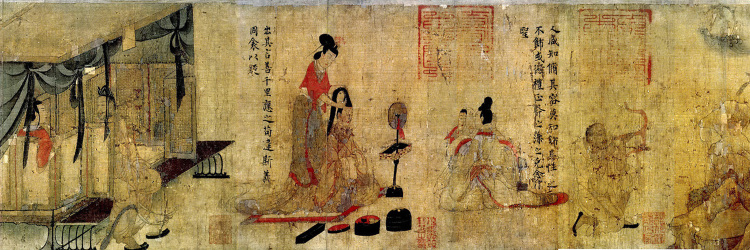
The late Tang period is engaging in political upheavals, with clashes between the factions and the ongoing uprisings of the villagers that ended in the abolition of the dynasty, leading to the break-up of the country, in the period of the Five Dynasties and the Ten States.
Back to the Story of Humankind