
The drawings were created by digging the reddish surface of the desert until the shiny sandy layer appears beneath. Thanks to the dry, stable climate of the area, as well as its geographical isolation, most of the lines have been preserved
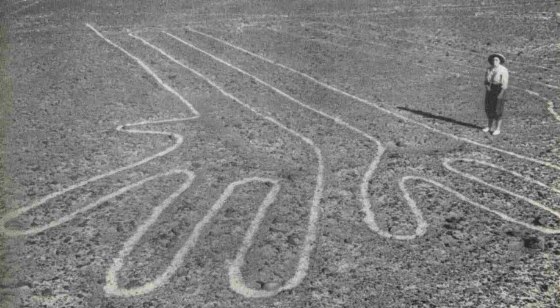
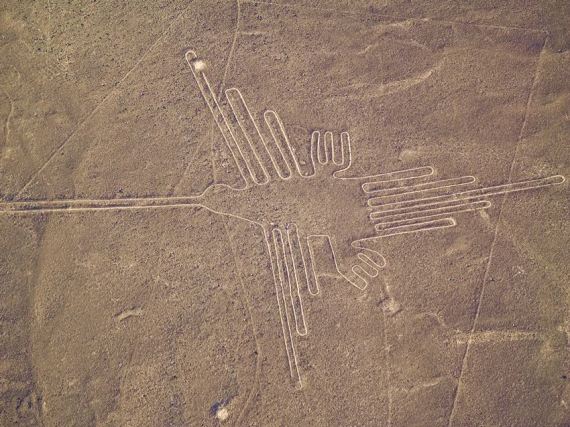
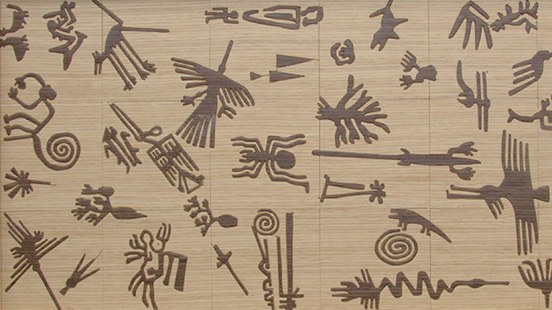
The lines of Nazca as they are named are more than 13,000 and consist of 800 different designs, including a hummingbird (93 meters), a beard (134 meters), a spider (47 meters), a pelican, a monkey (93 × 58 meters ), a dog, a pair of hands and many more.
It is a great mystery how and why these drawings were created. Thousands of archaeologists, ethnologists, anthropologists have made inquiries without ever giving a convincing explanation. Their construction seems to be due to a giant hand, with the researchers claiming that the ancient Nazca people used some kind of air balloon because they had to see the lines from above. Wooden piles were found on the ground, which shows that simple tools were used to construct them.
In 1985, the theory (based on archaeological findings) stated that Nazca's culture was dominated by the worship of mountains and water, and that the lines were part of religious rituals, possibly as sacred paths leading to places of worship of the gods. The lines are a UNESCO World Heritage Site and are now protected, while in the past there have been some disasters due to uncontrolled accessibility. Back to the Story of Humankind