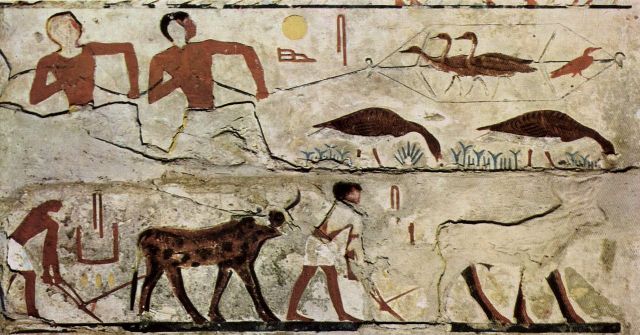
Within a few centuries, humans succeeded in domesticating the most useful and gentle animals. The creatures that once roamed freely across the plains gradually became more and more dependent on human beings. Different peoples domesticated different species according to the needs and environment of their region. The Lapps domesticated the reindeer, the peoples of the Andes the llama, the Arabs the camel, and the inhabitants of the Asian steppes the horse, while goats, sheep, cattle, and chickens spread almost everywhere. Animal husbandry developed alongside agriculture and in many regions became the main source of food and wealth.
Throughout history, however, humans have often treated animals with cruelty. They used them in wars, burdened them with loads beyond their strength, sacrificed them in religious rituals, and frequently turned them into instruments of entertainment. In arenas and public spectacles, countless animals were tortured and killed before cheering crowds.
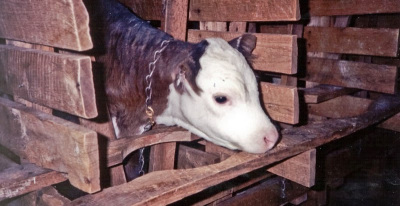 Even in the modern age, despite technological progress, millions of animals continue to live under conditions of extreme confinement in industrial farming facilities. Many are born and raised without ever knowing freedom, the natural world, or even the presence of their mothers. The calf that today grows trapped inside a narrow cage, destined solely for meat production, might thousands of years ago have run freely across the plains beside its herd.
The domestication of animals was one of the most important turning points in human history. It gave rise to animal husbandry, transportation, and entirely new ways of living and working. At the same time, however, it marked the beginning of a relationship of dependence and domination between humanity and the animal world.
Back to the Story of Humankind
Even in the modern age, despite technological progress, millions of animals continue to live under conditions of extreme confinement in industrial farming facilities. Many are born and raised without ever knowing freedom, the natural world, or even the presence of their mothers. The calf that today grows trapped inside a narrow cage, destined solely for meat production, might thousands of years ago have run freely across the plains beside its herd.
The domestication of animals was one of the most important turning points in human history. It gave rise to animal husbandry, transportation, and entirely new ways of living and working. At the same time, however, it marked the beginning of a relationship of dependence and domination between humanity and the animal world.
Back to the Story of Humankind