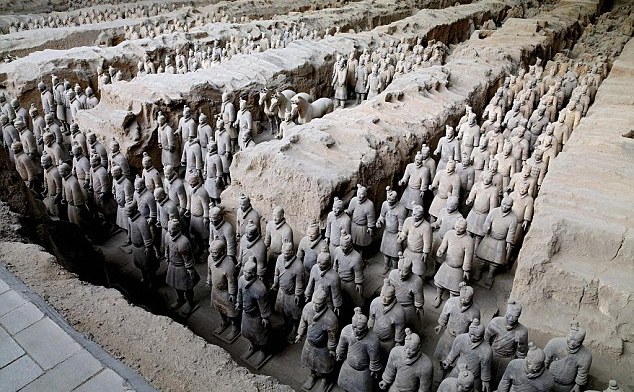
Chin died in 210 B.C and a period of conflict and agitation followed with many rebellions from villagers. The leader of a group of farmers, Gaozu, managed to unite many teams of retaliating farmers and gained a lot of power. In 209 B.C he took the capital of Chin ending their dynasty. The next 4 years he found himself at war with the leader of other groups until he dominated them in 202 B.C and founded the Han Empire. He was the first emperor of the dynasty and one of the two emperors in the whole history of China without a wealthy past (he was the son of poor farmers). Gaozu abolished the strict legislation of the Chin dynasty and wrote some regulations which protected the individual rights of ordinary people so he managed to become very popular.
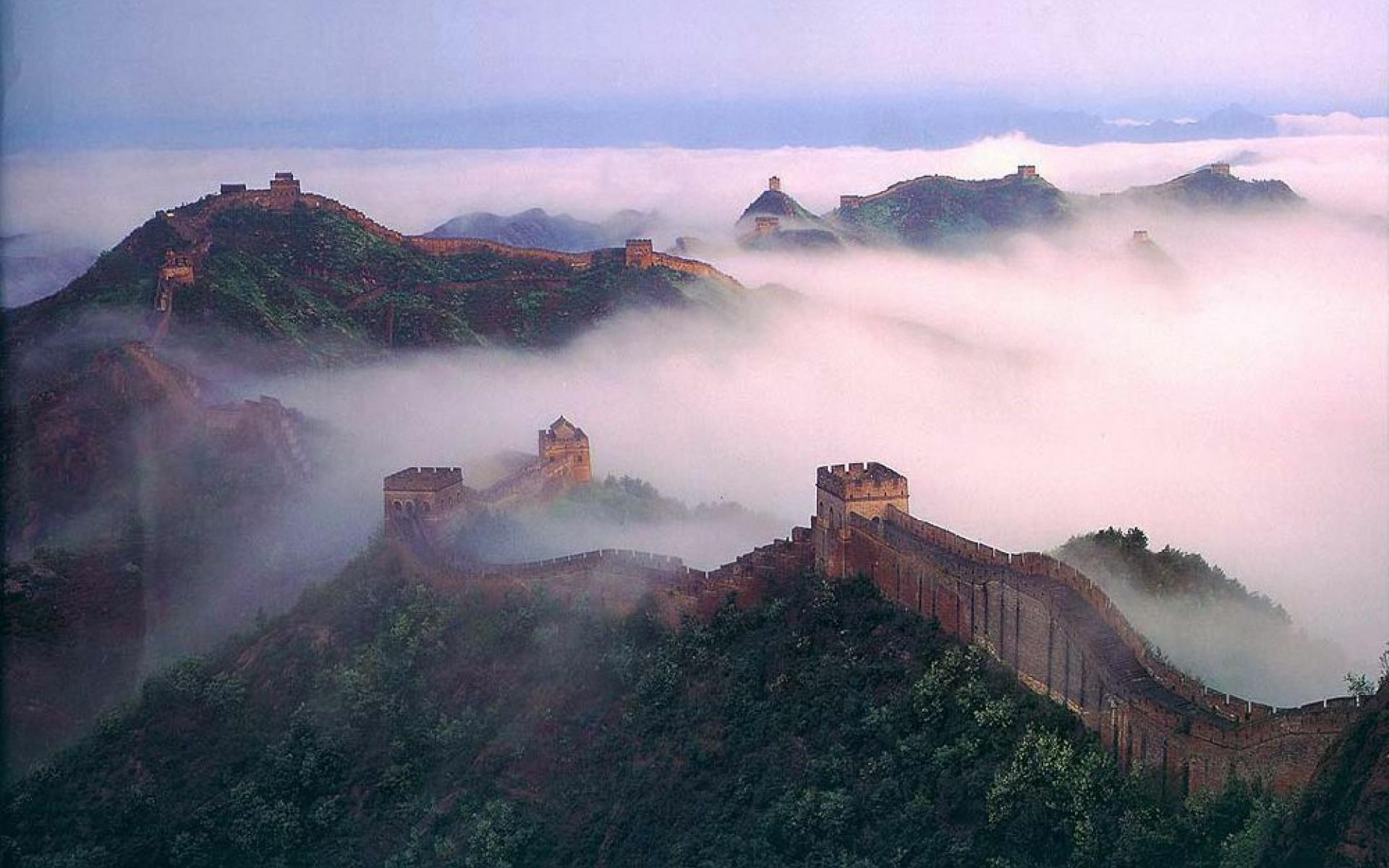
In 195 B.C he was murdered and his wife ruled in the name of her son. After 180 B.C China was ruled according to the Confucius principles with emperors trying to comfort people’s misery. The central government became powerful and the economy was stabilized, a worthy public administration was created with employees chosen of national competitions. Many construction were build with most prominent the Great Wall of China that started to take shape as the integration of previous fortresses, for the protection from the attacks of the Mongols and Turks. Iron and salt production was nationalized over the next few decades, the acquisition of military titles and penalties was instituted, trade was taxed. In the upper ranks, male polygamy was allowed, while monogamy prevailed among the majority of people. The spiritual work gained great importance and the social order was in the following order: 1. Intellectuals, 2. Farmers, 3. Technicians, 4. Merchants. Slavery was virtually non-existent, a fact unique to those times.
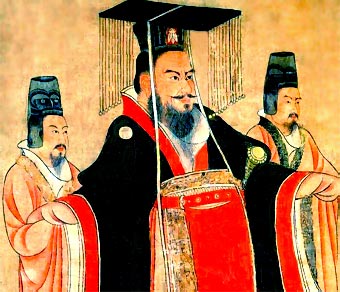
During this period, the duration of the solar year was determined and the comet of Halley was observed, the paper and the compass were invented, natural gas was used.Pioneer was also the education system, students were taught literature, music, science and technological progress. Emperor Wudi ruled from 141 to 87 B.C and launched many military campaigns that expanded Han's dominance in Central Asia and helped establish the vast network of trade, the famous Silk Road, up to the Mediterranean. After his death, the decline of the Han dynasty began and in the following years, two floods of the Yellow River killed thousands of people, creating waves of refugees and the appearance of bandits in the countryside. The empire will be weakened, secessionist tendencies and conflicts between local rulers will emerge. From 100 A.D. began a period of division for China, originally in the form of three kingdoms, the "3 Kingdoms Period" and later with the “16 Kingdoms period” until the reunification, from the Sui dynasty, in 589. Back to the Story of Humankind