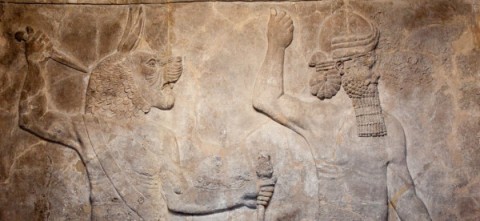
The subordinate cities paid taxes and in the slightest effort of independence the reaction was overwhelming; many cities were burned down and all their inhabitants were slaughtered. To prevent rebellions, they moved populations from one place to another and they mixed people from different nationalities in order lose their national consciousness.
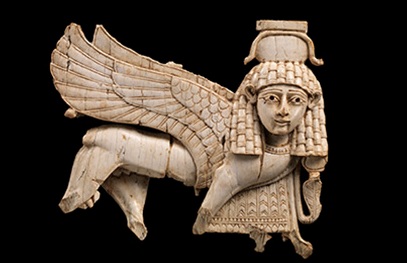
The head of the state was officially God Assur; all acts and laws were made in his name. The monarch was the leader of the army, he ruled with the aid of priests. Society was military and patriarchal, men could have concubines, the king had a harem with hundreds of girls who spent most of their time in their champers; married women had to wear a veil and not show their face to other men.
The administration was made by commanders appointed by the monarch who were charged with collecting taxes, doing works in their area and keeping an army constantly ready for war. This system was later adopted by the Persians and the Romans. Their criminal system consisted of 5 specific penalties, depending on the size of the crime: whipping, tongue or nose cutting, castration, impalement, decapitation. On the earthenware plates that survived, kings and princes, with complacency and excitement, narrated how they boiled, whipped to death, cut into pieces, young and old prisoners in public as an entertainment for the people.
In the 7th century BC, Assyria had evolved into the greatest empire the world had ever known until then, following unceasing wars and campaigns. Eventually the Assyrian Empire was defeated by the Medes in -612, later passed into the domination of Babylon and Persian until it was conquered by Alexander the Great who changed its name to Syria. After that, it became a Roman province. Back to the Story of Humankind